🧈 Buttercream Science · 8 min read
6 Types of Buttercream, Compared
"Buttercream" isn't one recipe — it's a family of six, and each one is built differently. Here's what actually separates them, so you can pick on purpose instead of by whichever recipe you found first.
 by Alejandro, PastryPath · Updated October 2026
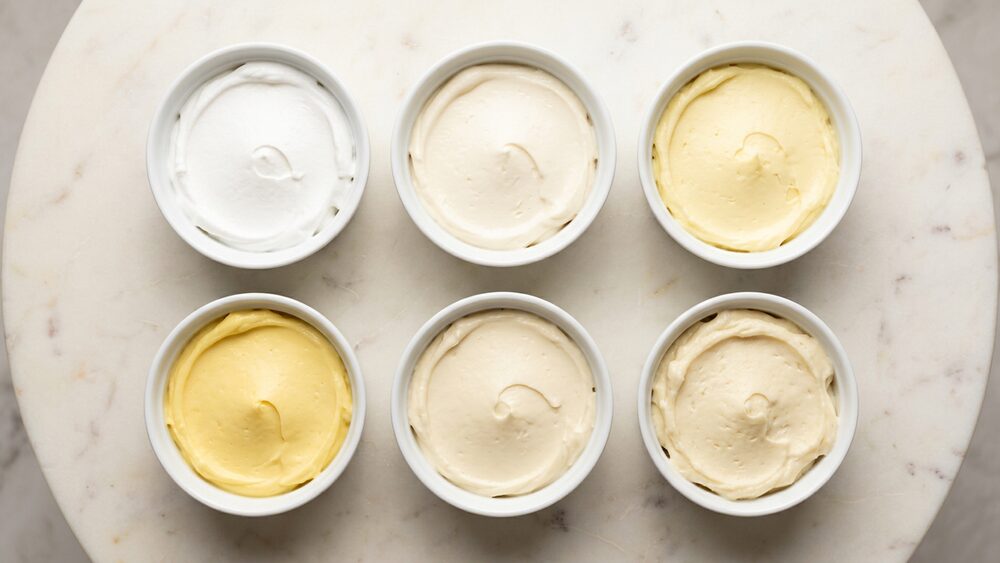
Every buttercream on this list starts with the same core ingredient — butter — but how it gets there changes everything: sweetness, texture, color, stability, and how it behaves in a warm kitchen. Here's the full lineup, side by side, then a closer look at each one.
| Buttercream | Base | Sweetness | Texture | Best for |
|---|
| American | Butter + powdered sugar | Very sweet | Thick, forms a crust | Cookies, piped shapes |
| Swiss Meringue | Egg white + sugar, cooked gently | Moderate | Silky, smooth | Smoothing cakes |
| Italian Meringue | Egg white + hot syrup | Moderate | Silky, very stable | Piping, warm rooms |
| French | Egg yolk + hot syrup | Moderate | Rich, silky | Fillings (not heat-stable) |
| German | Pastry cream + butter | Mild | Light, fluffy | Pastry filling |
| Russian | Butter + condensed milk | Mild | Light, soft | Quick piping, less stable |
American Buttercream
Just butter and powdered sugar, beaten together — no cooking involved. It's the sweetest and thickest of the six, and it forms a light crust once piped, which makes it a favorite for decorated cookies and shapes that need to hold their edges. Full recipe: American Buttercream.
Swiss Meringue Buttercream
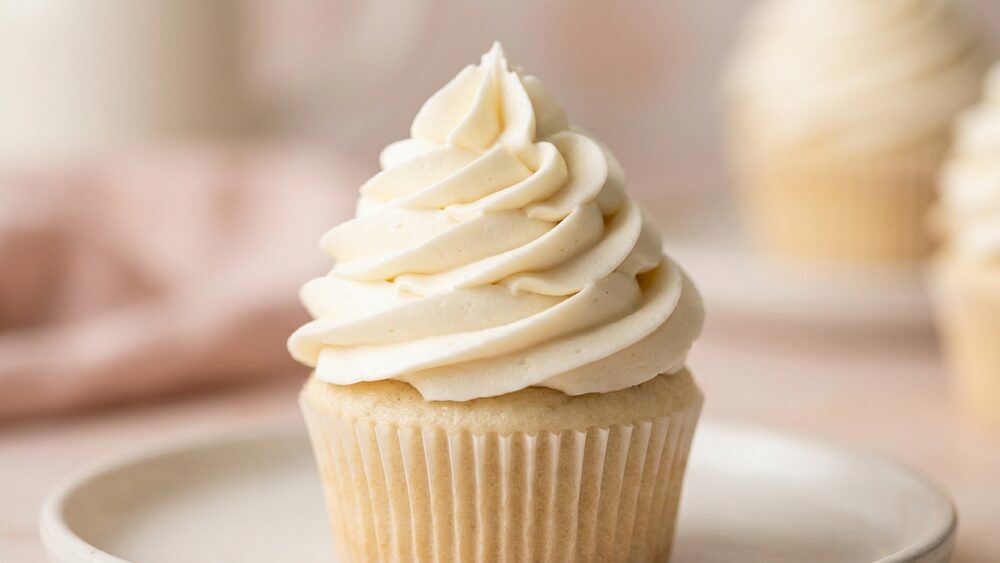
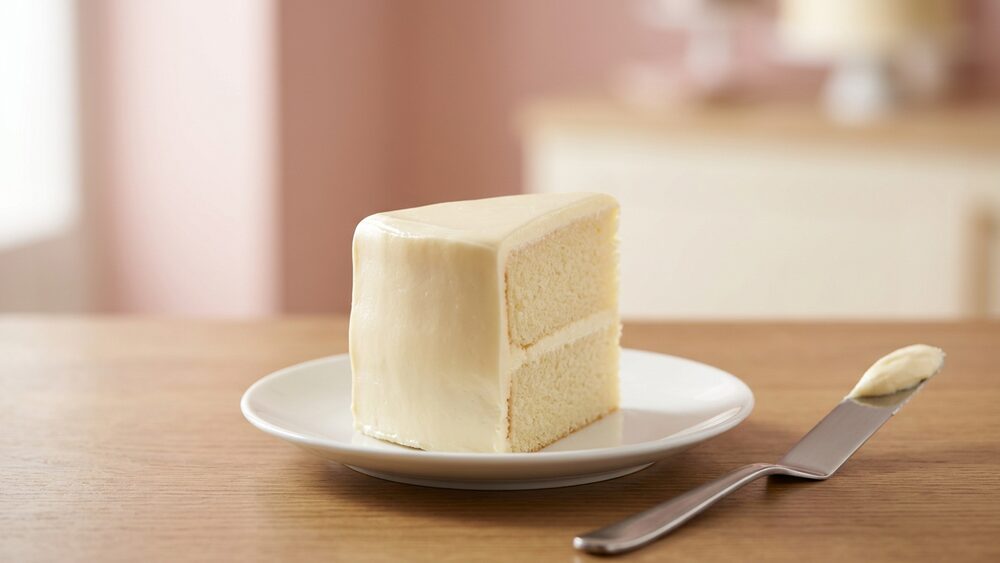
Egg whites and sugar are gently heated together until the sugar dissolves, then whipped into a meringue before the butter goes in. Less sweet than American buttercream, ivory in color, and famous for how smoothly it spreads — this is the buttercream behind most glass-smooth cake finishes. Full recipe: Swiss Meringue Buttercream.
Italian Meringue Buttercream
Built the same way as Swiss meringue buttercream, except the sugar is cooked into a hot syrup and streamed into whipping egg whites instead of heated together. That extra step makes it the most stable of the meringue buttercreams — it holds up noticeably better in a warm room, which is why it's a common choice for wedding cakes and outdoor events. Full recipe: Italian Meringue Buttercream.
French Buttercream
The same hot-syrup method as Italian meringue buttercream, but built on egg yolks instead of egg whites. The extra fat from the yolks makes this the richest-tasting buttercream of the group — bright yellow, ultra silky, and excellent as a cake filling. The tradeoff is heat tolerance: it's the least stable of the six in a warm room, so it's better suited to fillings than to piped exterior decoration.
German Buttercream (Crème Mousseline)
This one starts from a completely different base: a cooked pastry cream, chilled, then beaten into whipped butter. The result is often described as tasting like "ice cream in frosting form" — light, not overly sweet, and commonly used as a pastry filling rather than a cake exterior. It requires the most patience of the group, since the pastry cream needs at least an hour to fully cool before it can be added to the butter.
Russian Buttercream (Condensed Milk Buttercream)
The other "no-cook" buttercream on this list — whipped butter with sweetened condensed milk beaten in. It's quick, light, and less sweet than American buttercream, but it's also the least structurally stable of the six, so it's better suited to quick piping and casual bakes than to intricate, long-standing decoration.
How to actually choose: if you're brand new, start with American buttercream to learn consistency. If you want a smooth cake finish, go Swiss or Italian meringue. If the cake needs to survive a warm room for hours, Italian meringue is the safest bet. If you're filling a cake rather than decorating its exterior, French or German buttercream will taste richer than any of the others.
Buttercream questions, answered
What are the types of buttercream?
There are six main types: American (butter and powdered sugar), Swiss meringue (egg whites and sugar, gently cooked), Italian meringue (egg whites and hot sugar syrup), French (egg yolks and hot sugar syrup), German or crème mousseline (pastry cream and butter), and Russian (butter and sweetened condensed milk). They differ in how the base is made, which changes sweetness, texture and how well they hold up in a warm room.
Russian buttercream vs. American buttercream: what's the difference?
Both are no-cook buttercreams, but they use different bases. American buttercream is butter beaten with powdered sugar, so it's very sweet, thick, and forms a light crust. Russian buttercream is whipped butter with sweetened condensed milk, so it's softer, lighter and less sweet, but it's also less stable, which makes it better for quick piping than for long-standing decoration.
French vs. German buttercream: what's the difference?
French buttercream is made from egg yolks and hot sugar syrup, which makes it rich, bright yellow and very silky, but not heat-stable. German buttercream (crème mousseline) is a cooked pastry cream beaten into whipped butter, so it's lighter and milder. Both are better suited to fillings than to piped exterior decoration.
Which buttercream is the most stable?
Italian meringue buttercream. Cooking the sugar to a hot syrup and streaming it into whipping egg whites gives a stable structure that holds up noticeably better in a warm room, which is why it's a common choice for wedding cakes and outdoor events. Here's the full recipe.
Which buttercream is easiest for beginners?
American buttercream. There's no cooking involved, just butter and powdered sugar, so you can learn consistency before moving on to meringue buttercreams. See the recipe.
Which buttercream is best for a smooth cake finish?
Swiss meringue and Italian meringue buttercream. Both are silky and spread smoothly, which is why most glass-smooth cake finishes use one of them. Swiss meringue buttercream recipe.