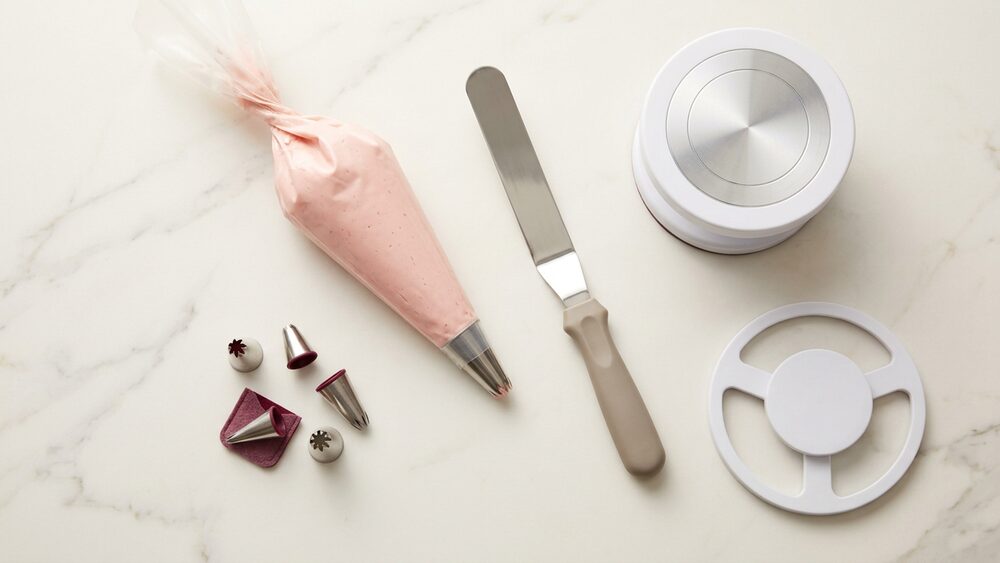
Cake Decorating for Beginners: Where to Start
Overwhelmed by tools, techniques and terminology? Here's the exact order I'd learn things in if I were starting today.
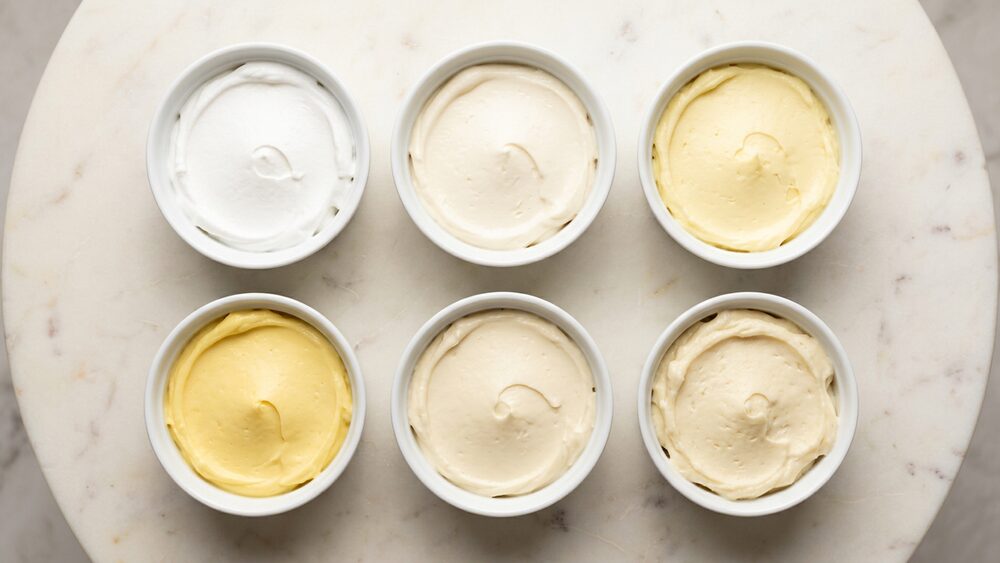
6 Types of Buttercream, Compared
American, Swiss, Italian, French, German, Russian — what actually makes each one different, and which one to reach for.
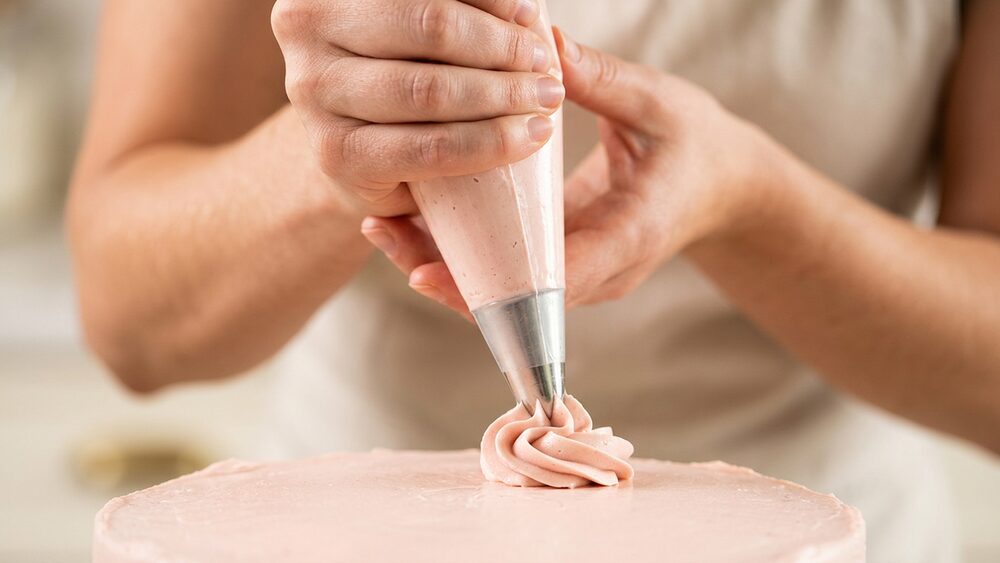
Piping Techniques Every Beginner Should Know
The five piping tips that cover 90% of what you'll ever decorate, and the exact hand motion for each one.
What Sugar Actually Does in Baking
Sugar does four jobs before you ever taste it sweet — moisture, tenderness, color, and structure.
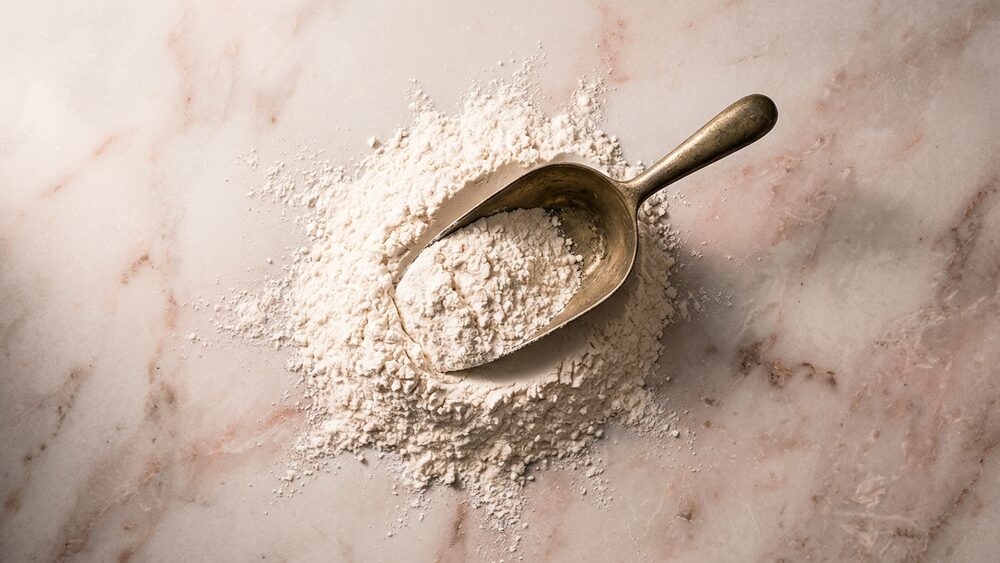
Types of Flour, Explained
Cake flour, bread flour, all-purpose — the difference is protein percentage, and it changes everything.
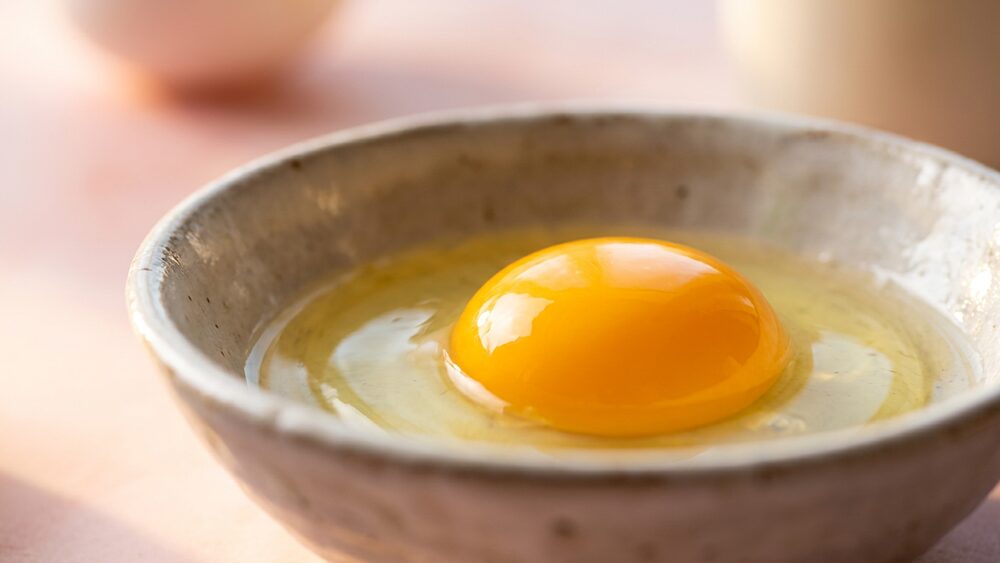
What Eggs Actually Do in Your Batter
Binding, leavening, richness, emulsifying — one ingredient doing four jobs at once.
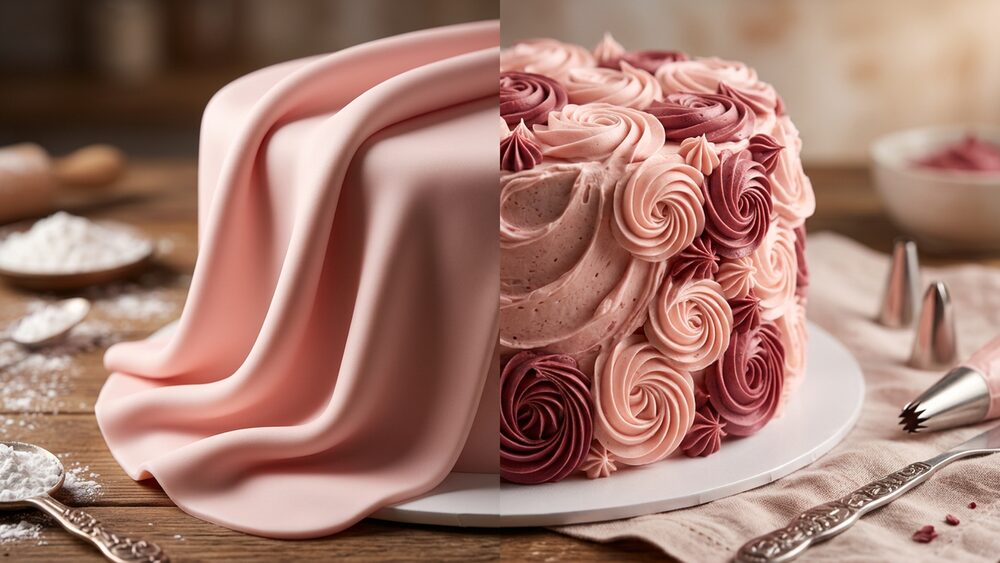
Fondant vs. Buttercream: What's Actually Different
Fondant isn't a frosting, it's a sugar dough — here's why that distinction matters.
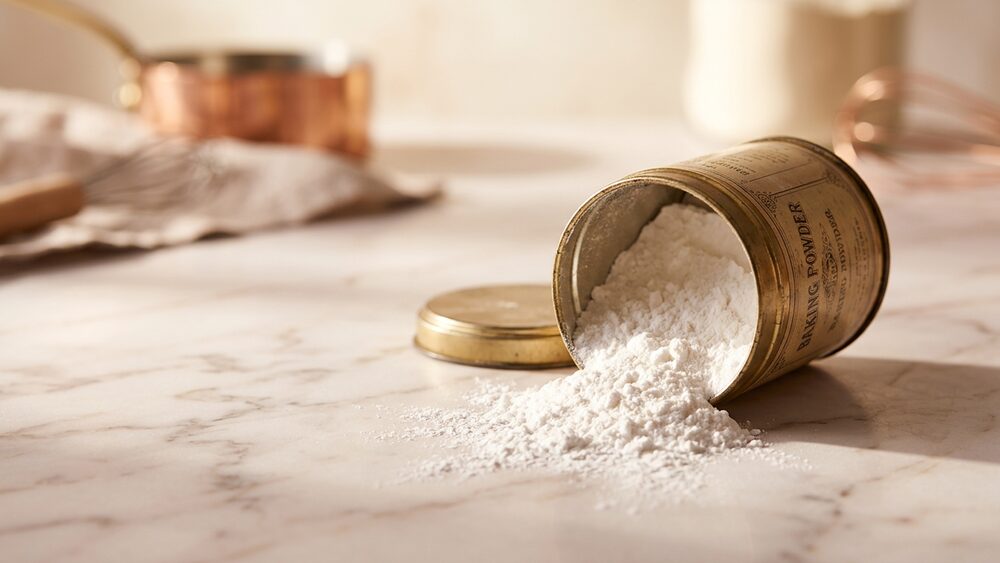
How Baking Powder Actually Works
Baking soda plus its own acid, built in — single-acting vs. double-acting, explained.
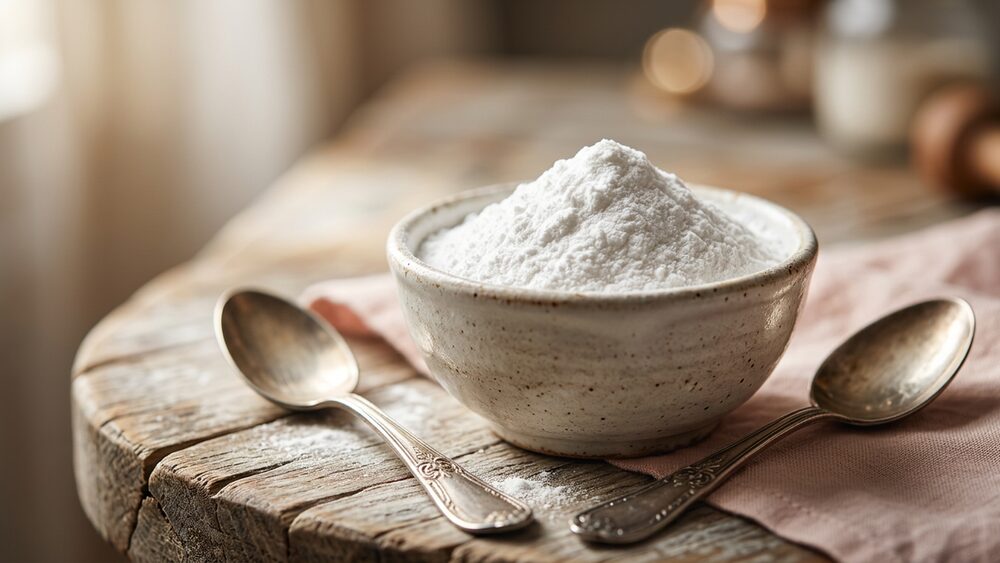
How Baking Soda Actually Works
Pure base, no acid built in — here's what activates it and what happens without one.
The Ingredient Everyone Forgets
Water activates gluten, dissolves sugar, and controls hydration — the most overlooked ingredient in the kitchen.
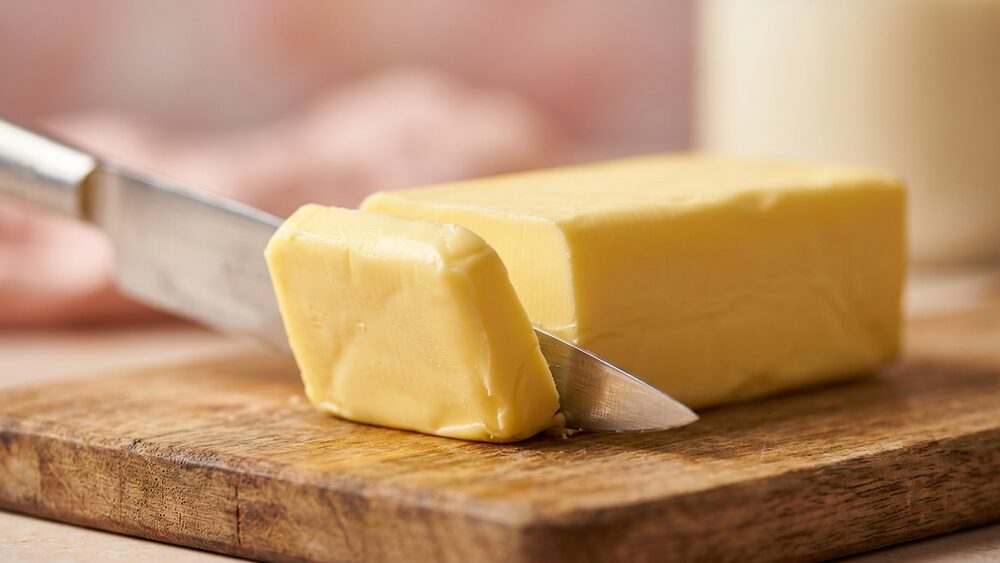
Butter: Why Temperature Changes Everything
Cold, room temperature, and melted butter behave like three different ingredients.