🥚 Ingredient Science · 5 min read
What Eggs Actually Do in Your Batter
No other baking ingredient pulls this much weight. A single egg is binding your batter, helping it rise, adding richness, and holding fat and water together — and the yolk and white aren't doing the same job.
 by Alejandro, PastryPath · Updated July 2026
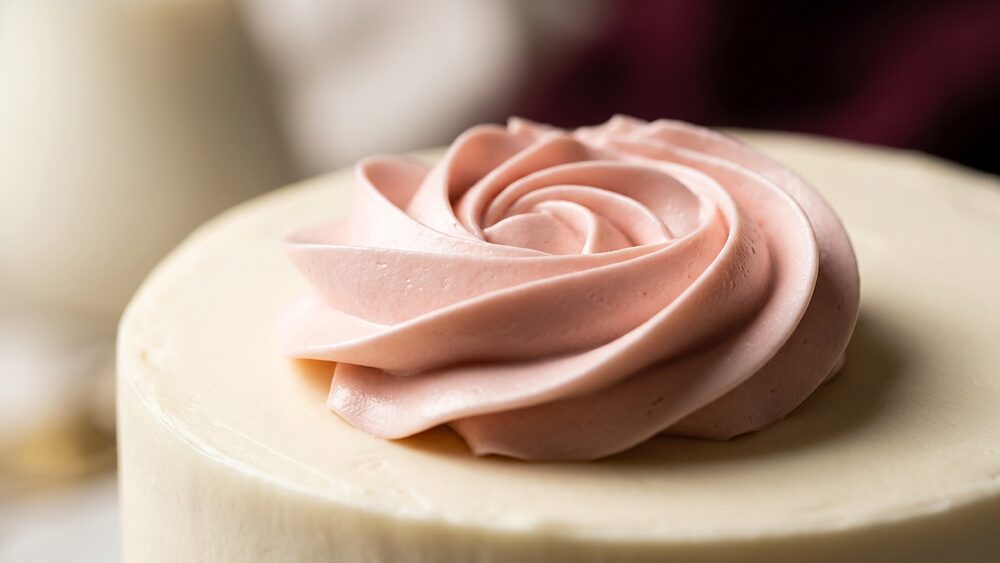
Recipes treat "2 large eggs" as a single line item, but a yolk and a white are almost different ingredients. Separating them isn't just a technique flex — in recipes like Italian meringue buttercream (whites only) versus a rich pastry cream or French buttercream (yolks only), the split is the entire point.
What the yolk does
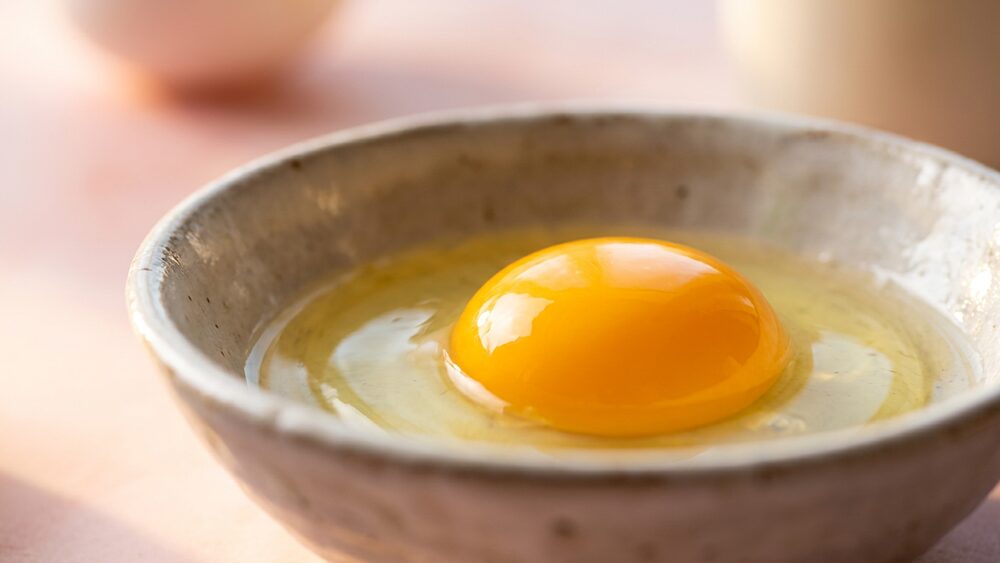
The yolk is where the fat, most of the flavor, and the emulsifiers live. Lecithin in egg yolk is a natural emulsifier — it's what lets fat and water blend smoothly instead of separating, which is why yolk-heavy mixtures like custard and French buttercream turn out so silky. Yolks also carry color and a rounder, richer flavor than whites alone.
What the white does
Egg whites are almost entirely water and protein, with none of the fat. When whipped, that protein unfolds and traps air, which is the entire mechanism behind meringue, soufflés, and whipped-egg-white buttercreams. Whites also dry to a firmer, crisper structure than yolks — which is why meringue cookies are mostly egg white and sugar, with nothing to soften that crispness.
The three jobs eggs do together
- Binding: egg proteins coagulate (set) when heated, holding other ingredients together as structure — this is why eggless baking often needs a separate binder like a flax or chia "egg."
- Leavening: beaten eggs trap air, and that trapped air expands in the oven's heat, giving lift — sponge cakes rely on this more heavily than chemically-leavened cakes do.
- Moisture and richness: eggs are roughly 75% water by weight, so they contribute meaningfully to a batter's liquid content, not just its fat.
A rough ratio to know
One large egg weighs about 50 g out of the shell — roughly 30 g white and 20 g yolk. Classic pound cake formulas use eggs at close to equal weight to the flour, sugar, and butter (a true 1:1:1:1 ratio) — which is part of why pound cake has such a dense, rich, custardy crumb compared to a lighter layer cake that uses proportionally fewer eggs.
Room temperature matters more than most steps in the recipe. Cold eggs added to creamed butter and sugar can cause the mixture to look curdled and separated — the cold egg re-solidifies bits of the butter. Warming eggs to room temperature first (a bowl of warm water for a few minutes works) helps them incorporate smoothly instead of breaking the emulsion.